
Article and Photos Courtesy: OVERTIME MEDIA
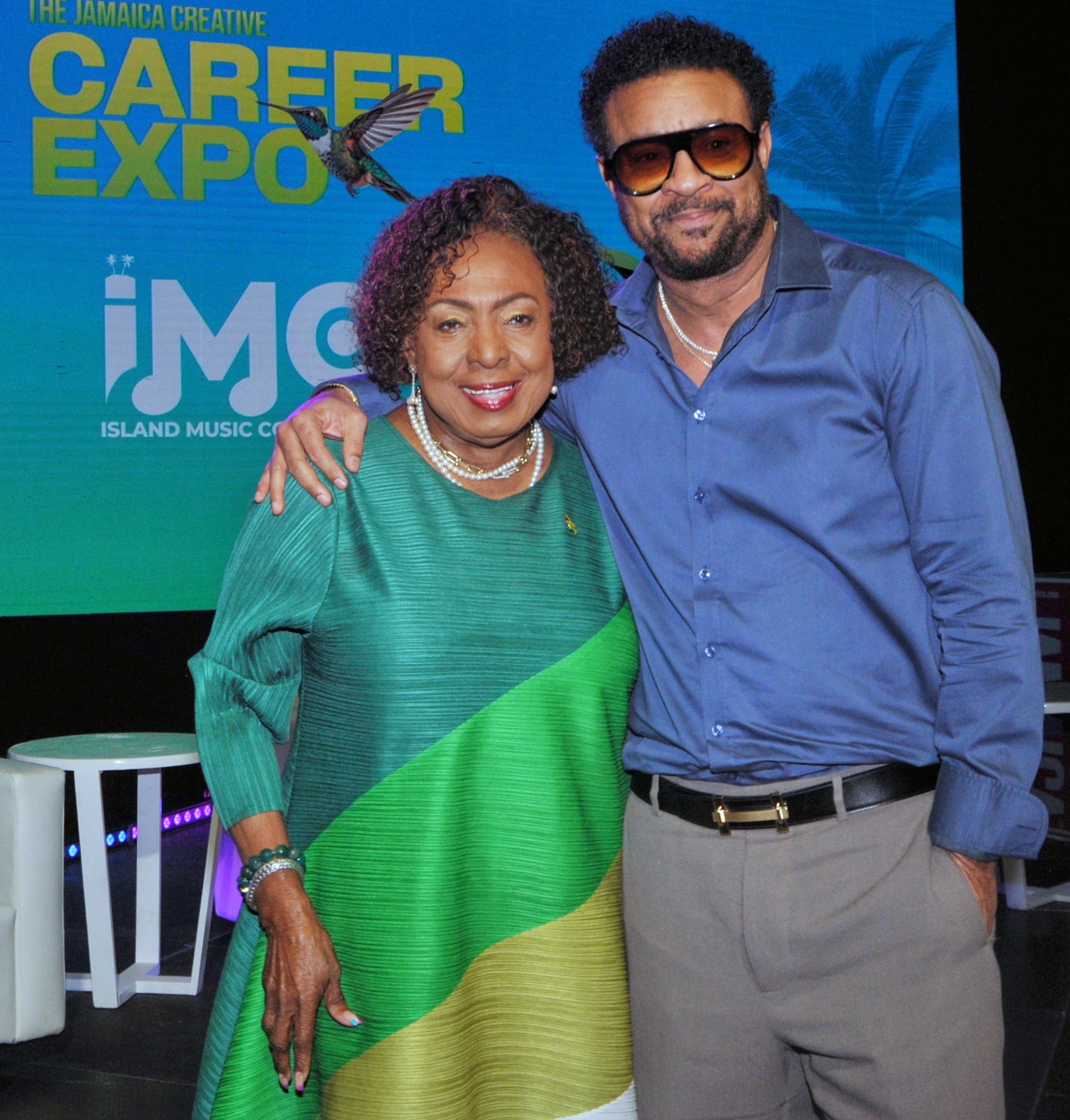
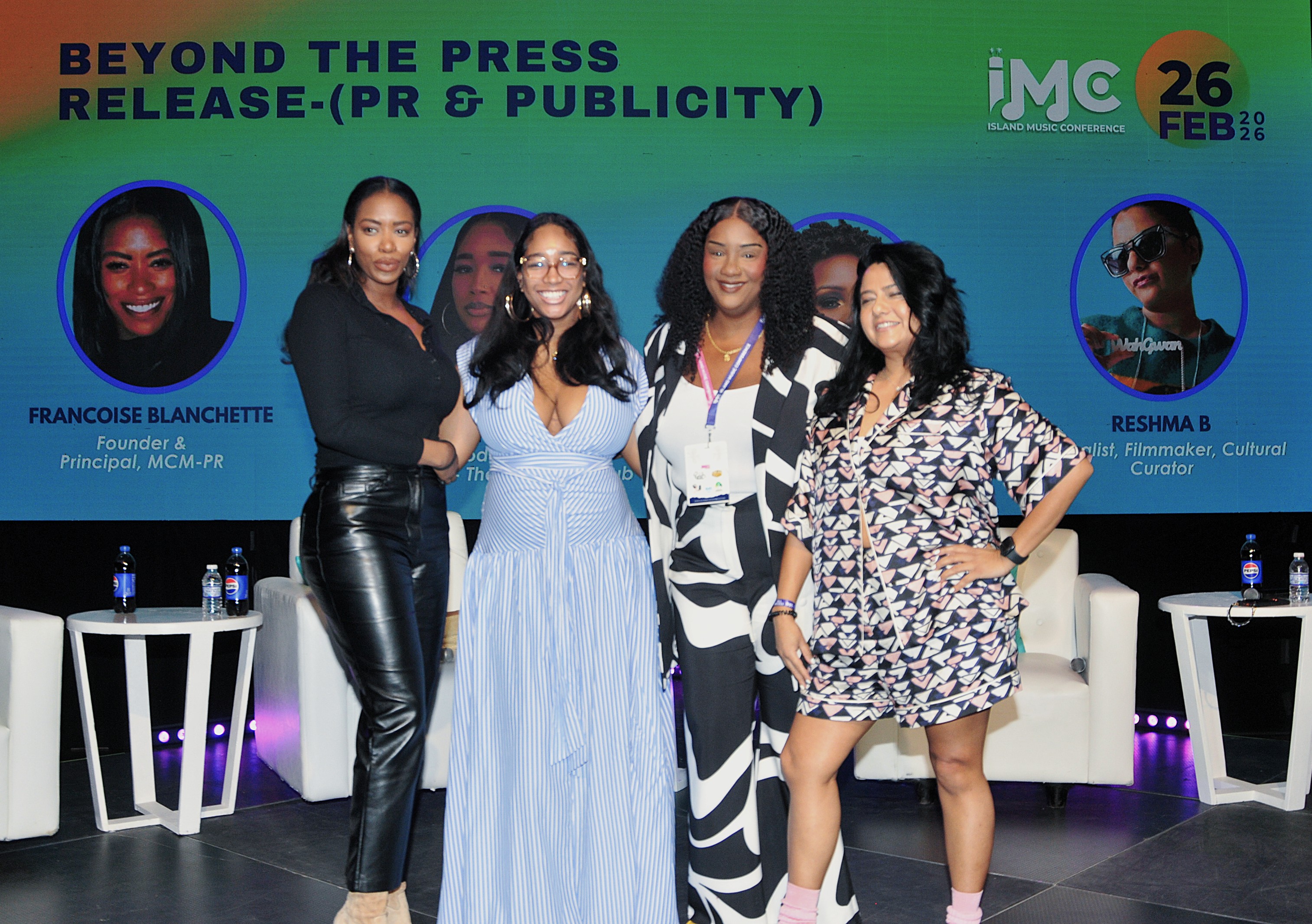
Few places in the world blend music, culture and tourism as seamlessly as Jamaica, and that connection was on full display during the recently held Island Music Conference (IMC) 2026, where creatives, industry professionals and media gathered in Kingston to explore the future of Caribbean music and its global impact. Against the vibrant backdrop of the Jamaican capital, the conference offered a dynamic mix of policy discussions, industry panels and cultural exchanges that highlighted both the island’s musical legacy and its continuing influence on the global creative economy.
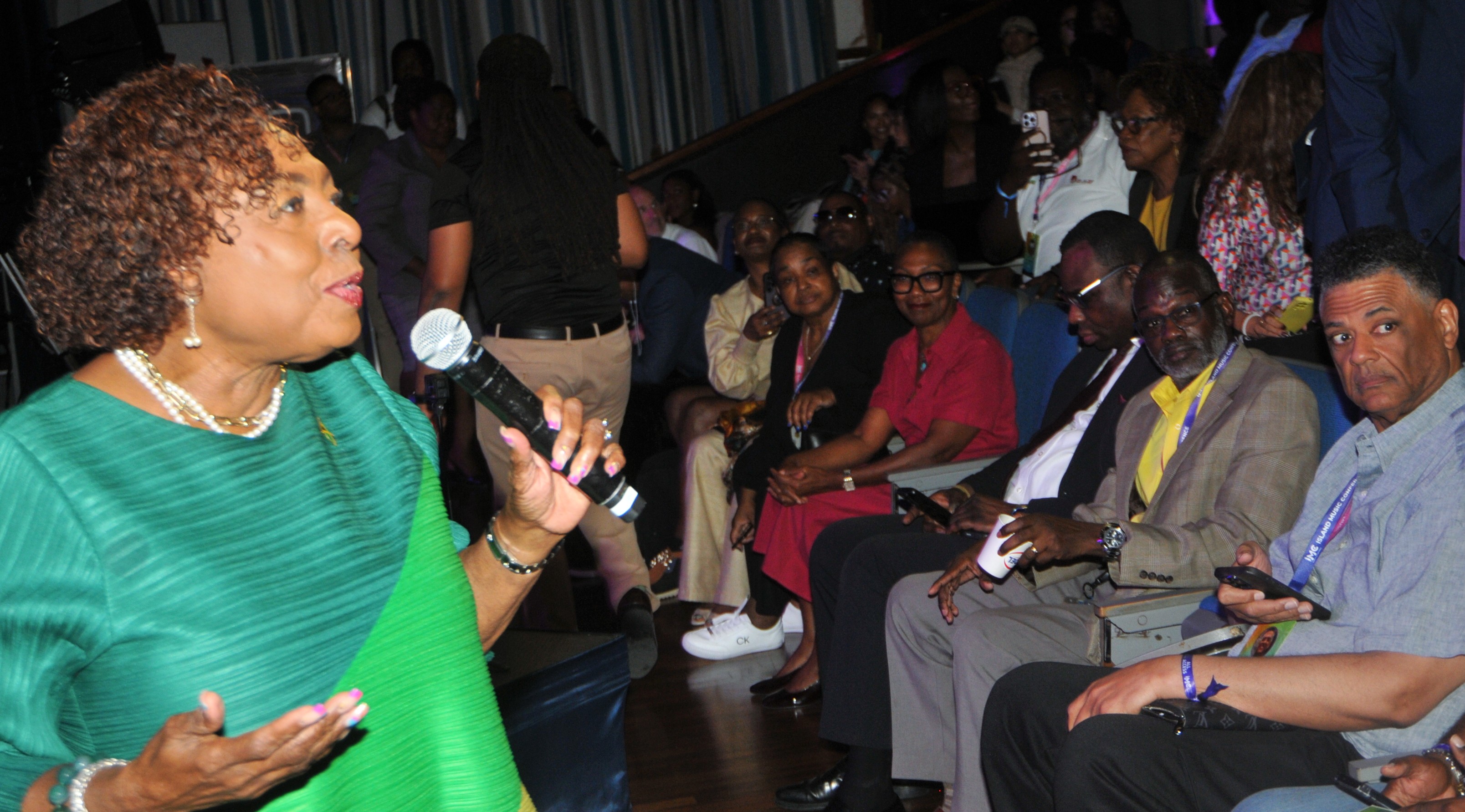
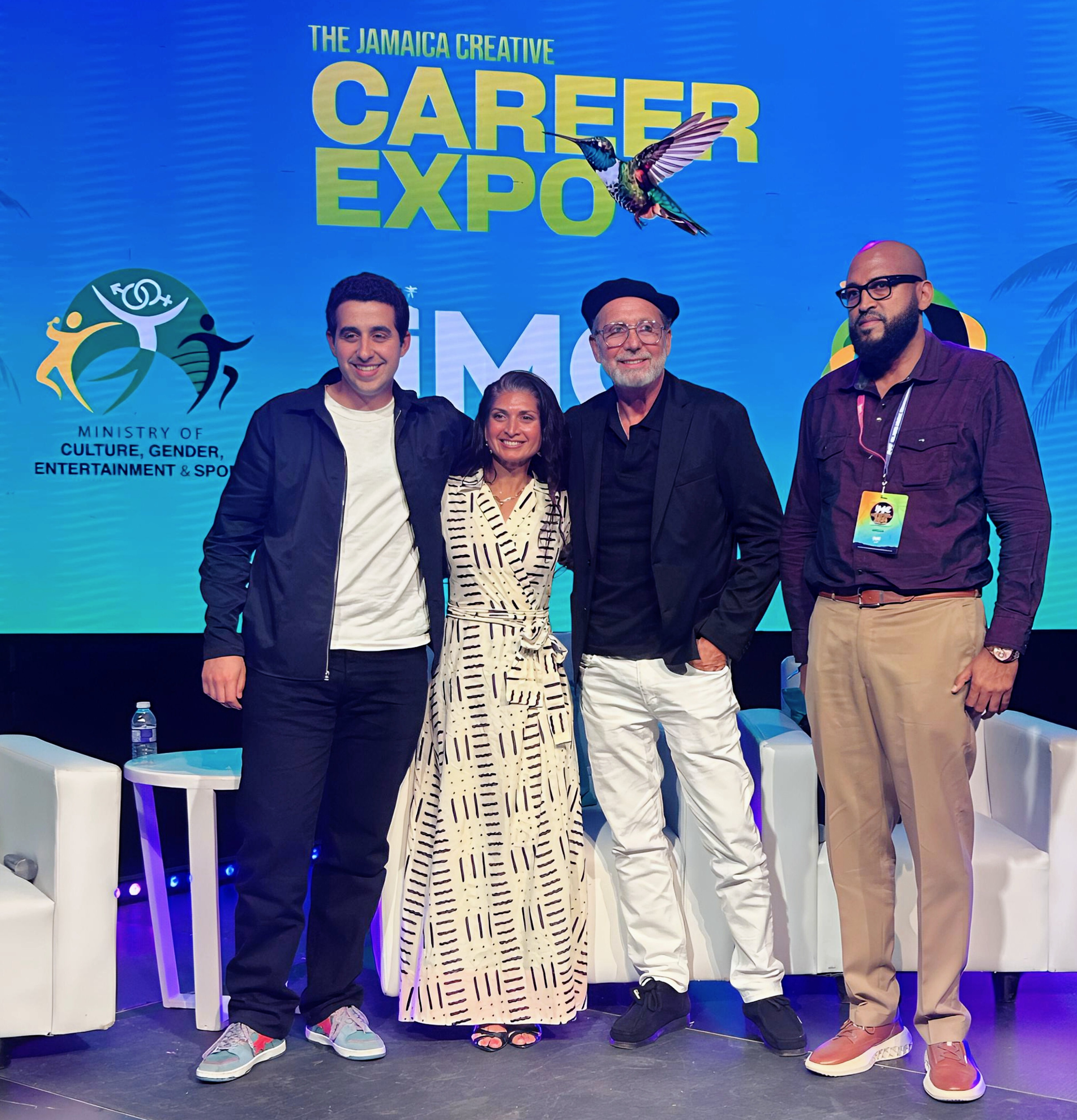
One of the defining moments came with an address by Jamaica’s (then Acting Prime Minister) and current Minister of Culture, Gender, Entertainment and Sport, Olivia “Babsy” Grange, who reaffirmed the government’s commitment to strengthening the island’s creative industries. Speaking to students from around the country and delegates from across the region and beyond, Grange emphasized the growing economic importance of music, intellectual property and cultural exports, noting that Jamaica’s creative sector continues to play a vital role in shaping the country’s international cultural brand.“The creative economy is no longer informal,” she declared, underscoring the government’s increased intent to professionalize and structurally support cultural practitioners. “It is strategic.”“Government must ensure that the infrastructure is in place to enable the industry,” she said, and later emphasized the importance of ownership. “The future of music is not only about performing or producing — it is about ownership,” she stated, pointing to publishing, distribution and intellectual property as the engines of sustained wealth creation.
The conference also allowed space for informal interaction between policymakers and industry professionals, giving delegates the opportunity to exchange perspectives on infrastructure, collaboration and the broader development of the Caribbean’s creative economy. Among the liveliest sessions was the “Mastering The Art of Influencer Entrepreneurship” panel, which featured dancehall superstar “Spice” (Grace Hamilton), UK-based media personality Becca Dudley, host, Wayne Marshall and digital creator Jaii Frais, among others.
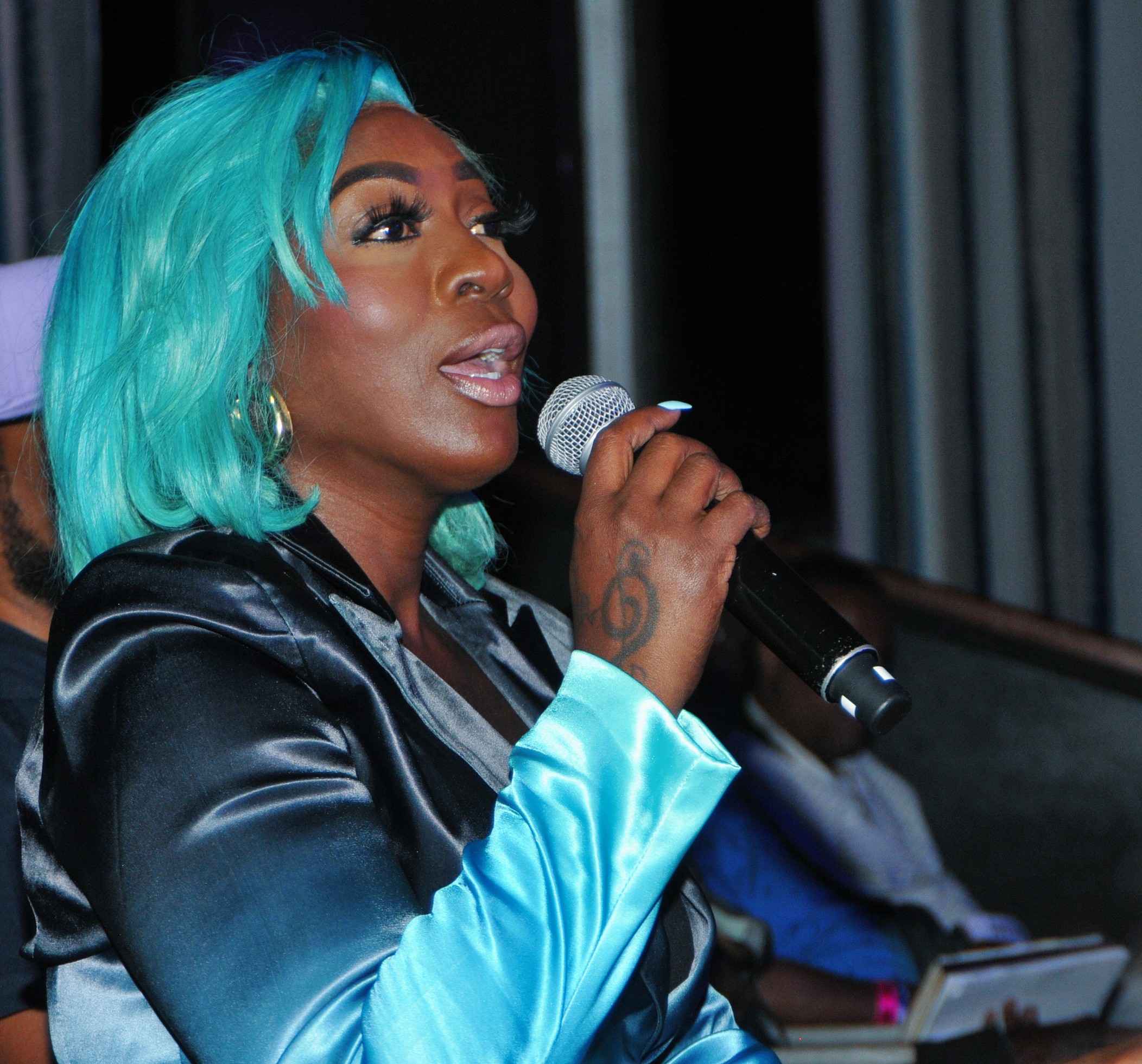
Their discussion explored the evolving relationship between music, social media and audience engagement. Panelists spoke candidly about building authentic online communities, navigating the pressures of viral culture and understanding how digital platforms have transformed the way artistes connect with fans. For Caribbean creatives, the session reinforced a growing reality: today’s music industry demands not only talent, but the ability to craft compelling personal narratives that resonate across multiple platforms. Intellectual property and rights management were also central to the conference agenda.
A panel on music publishing, hosted by Trinidad and Tobago media professional Nigel Telesford, examined the often overlooked but critical business of songwriting ownership, publishing administration and royalty collection. Industry experts stressed that greater awareness of publishing rights could significantly increase revenue opportunities for Caribbean creators, particularly as digital streaming continues to expand the global reach of regional music. Another T&T professional, Publicist, Adanna Asson of Creative Media PR was also present at IMC 2026 and shared stories and insights with publicists, journalists and media producers during a panel entitled “Beyond The Press Release (PR & Publicity)”. Beyond the formal panels, IMC 2026 functioned as an important networking hub where producers, booking agents, emerging artistes and music executives connected to explore potential collaborations.
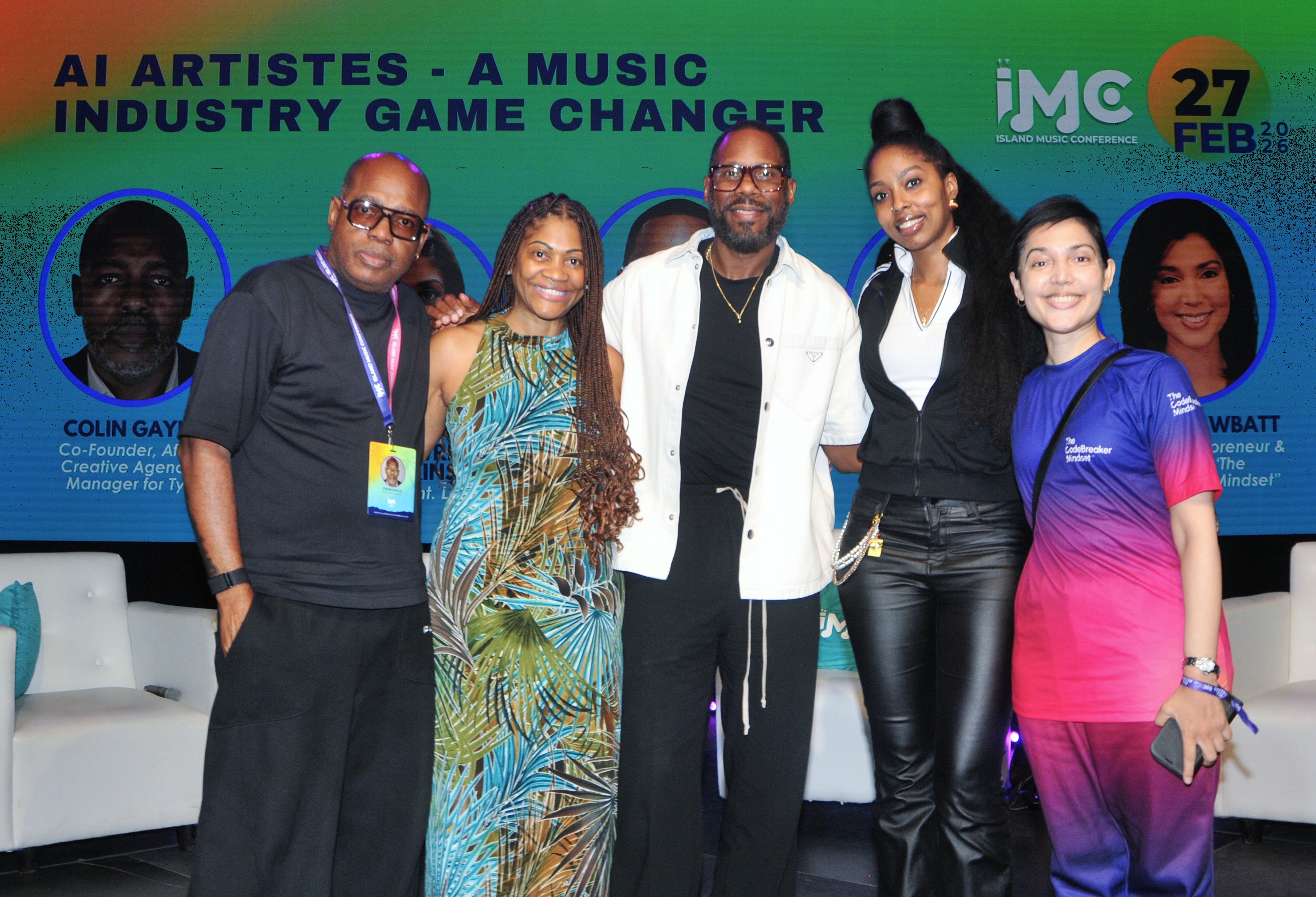
Conversations around artificial intelligence and music technology sparked particular interest, with participants debating how AI tools may influence songwriting, production and marketing strategies in the years ahead. Yet even as discussions looked toward the future, the conference consistently returned to the importance of cultural authenticity. That perspective was underscored during a breakfast conversation with Christopher Issa, owner of Kingston’s acclaimed S Hotel, who spoke about the relationship between tourism, hospitality and Jamaican culture. Issa highlighted the value of integrating Jamaican art, music and storytelling into the visitor experience, ensuring that guests encounter the island’s culture in meaningful and authentic ways. Throughout the conference, Kingston itself became part of the narrative — a city where reggae, dancehall and contemporary Caribbean sounds continue to influence global music trends while anchoring a vibrant local creative economy.
As the conference concluded, it also prompted reflection on the wider Caribbean’s role in shaping the global music landscape. For stakeholders in Trinidad and Tobago’s music industry, including policymakers, producers, artistes and cultural entrepreneurs, IMC presents a valuable platform for regional dialogue and collaboration.With IMC 2027 set to mark the conference’s fifth anniversary, there is an open opportunity for Trinidad and Tobago’s creative sector – including the Ministry of Culture – to join the conversation and strengthen the region’s collective voice in the international music industry.If IMC 2026 demonstrated anything, it is that the Caribbean’s musical influence remains one of its most powerful cultural exports — and the future of that influence will depend on how effectively the region works together to nurture, protect and expand its creative industries.
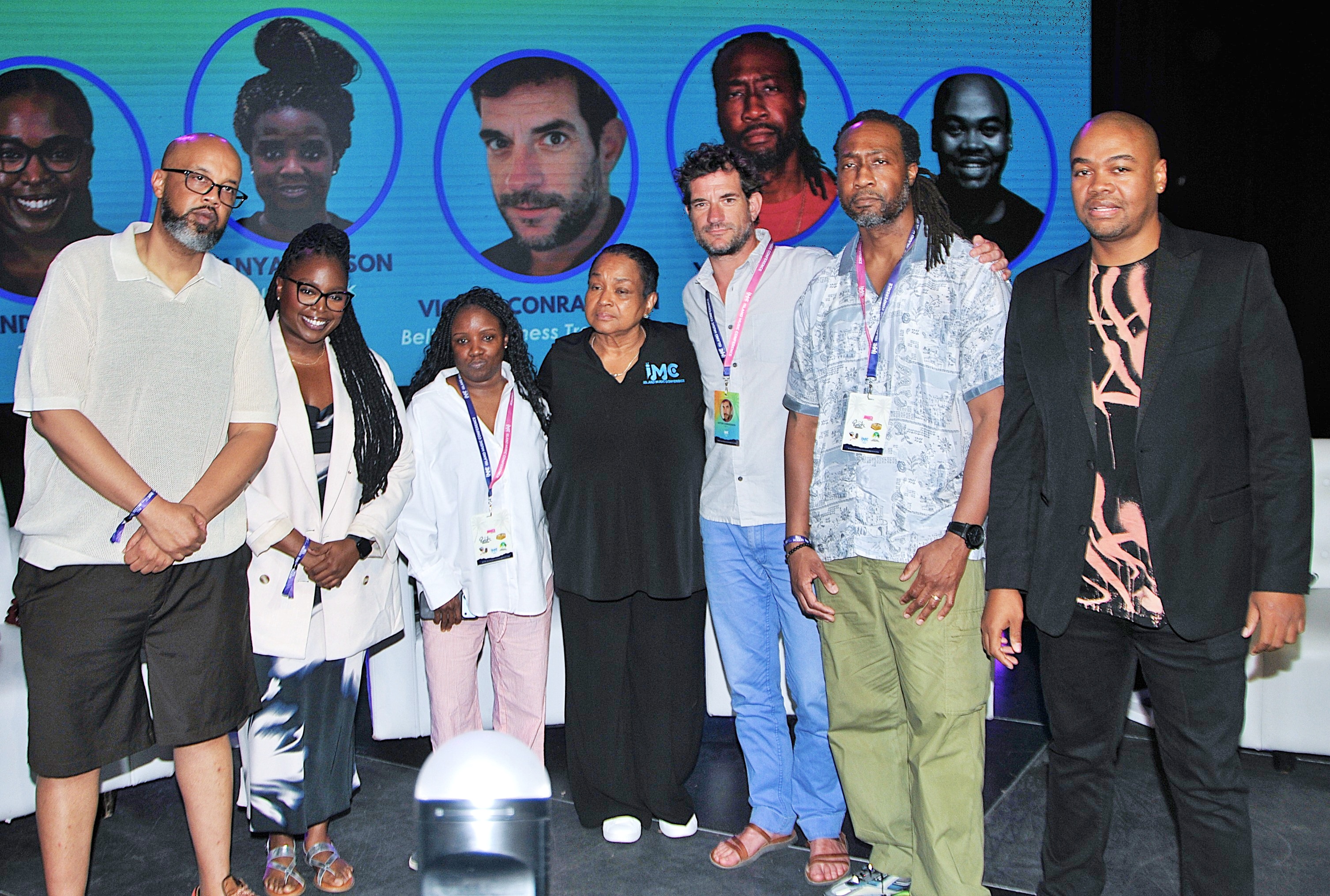
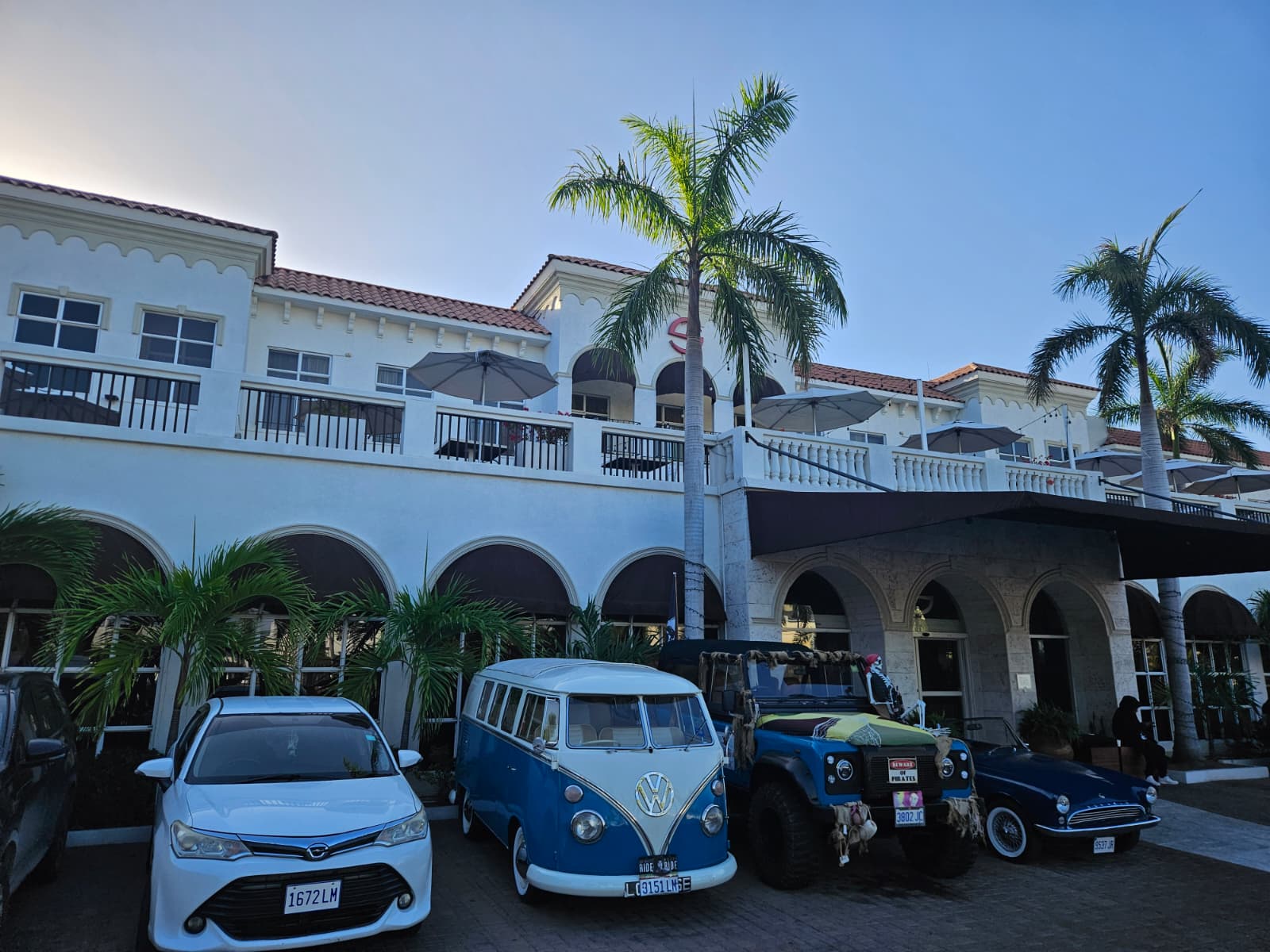
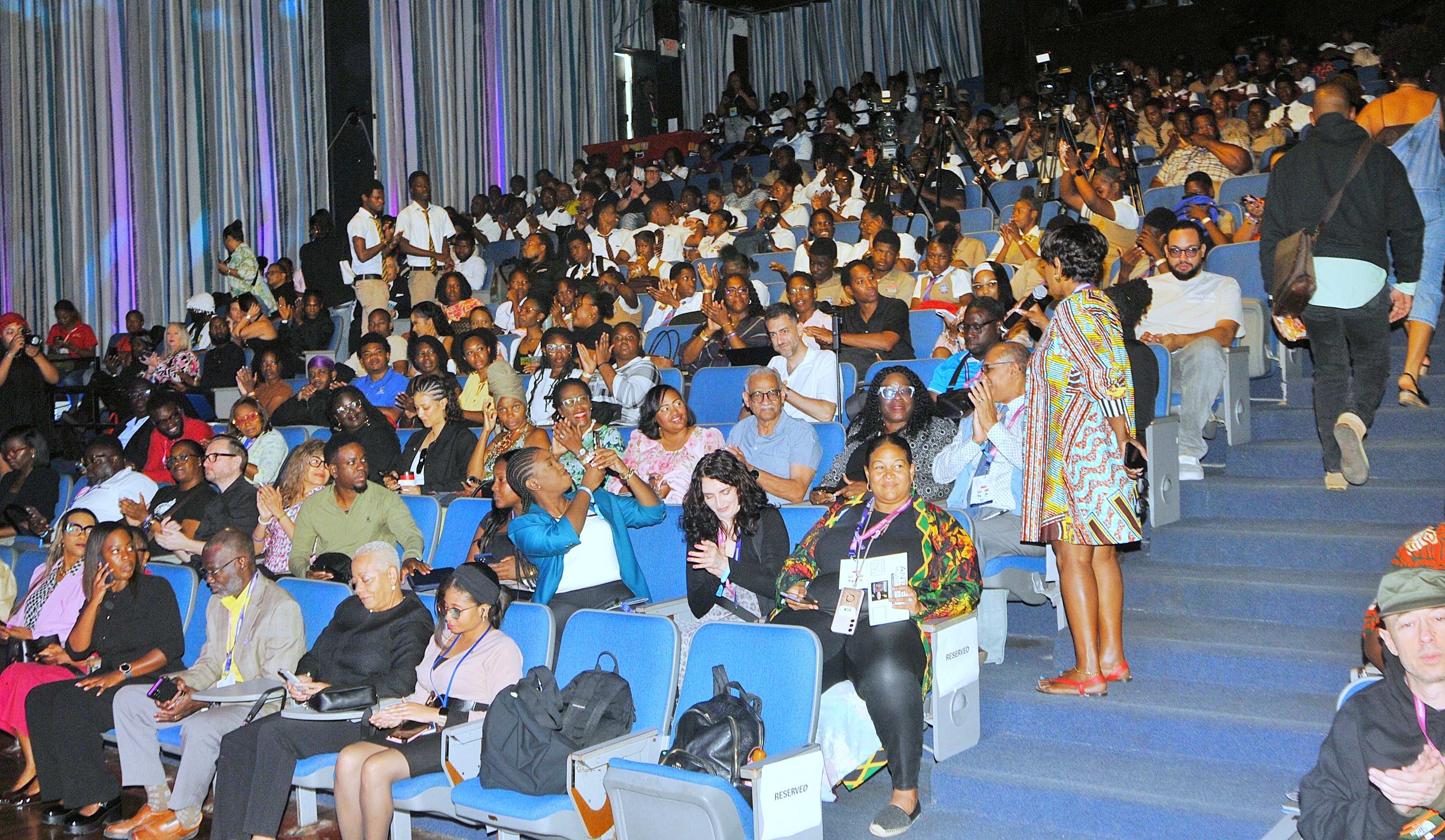
IMAGE RIGHT- A section of the audience gathered at the Courtleigh Auditorium in Kingston, Jamaica for the Island Music Conference 2026


