
By Overtime Media
While many people continue blaming social media for the decline of traditional radio and television, Boom 94FM personality Kwesi “Supahype” Lee believes the real issue is much simpler:
Media personalities stopped evolving.
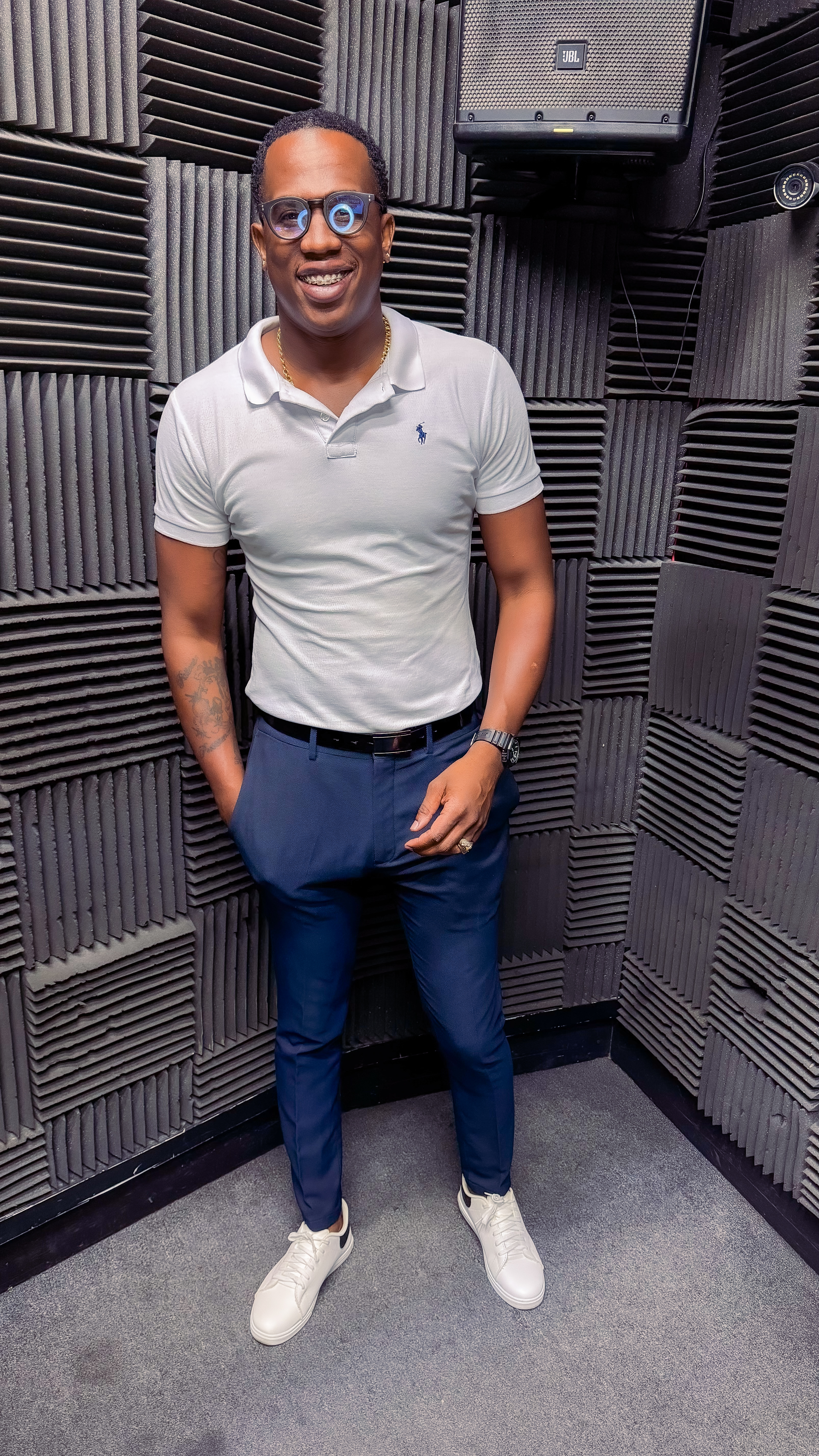
“Traditional media isn’t dead,” Lee says. “Too many people in media just got lazy creatively. The hunger disappeared.”
According to the Morning Jam host, radio once thrived because personalities created moments people couldn’t ignore.
“Back then, radio felt exciting. Unpredictable. You never knew what somebody was going to say next,” he explains. “That’s what made it magical.”
Now, he believes too much media feels repetitive and emotionally disconnected from audiences.
That mindset helped shape the energy behind Morning Jam, the Boom 94FM programme that has become known for its explosive relationship debates, controversial scenarios and viral social media moments.
From cheating scandals and parenting clashes to money issues, dating culture and family drama, the show focuses heavily on emotionally relatable Caribbean conversations.
“People don’t remember perfect radio,” Supahype says. “They remember how you made them feel.”
That formula has helped Morning Jam generate strong online engagement, with clips frequently circulating across Instagram, Facebook, TikTok and WhatsApp conversations.
For Supahype, that crossover between traditional broadcasting and internet culture is exactly where modern Caribbean media needs to go.
“The audience changed. Attention spans changed. So media personalities have to adapt,” he says. “Radio can’t just stay on radio anymore. Every great moment should become content.”
Supahype believes one of the show’s biggest strengths is relatability.
Instead of forcing celebrity gossip or manufactured controversy, Morning Jam taps into everyday Caribbean experiences listeners instantly recognise.
“When people hear the topics, they see themselves or somebody they know in the conversation,” he says. “That emotional connection matters.”
He also believes social media exposed weaknesses that already existed within traditional media.
“The internet didn’t kill radio,” he says. “The internet exposed who was truly creative and who wasn’t.”
Looking ahead, Supahype says Caribbean personalities can no longer depend on airtime alone to stay relevant.
Modern audiences now expect:
personality,
consistency,
visibility,
accessibility,
and engaging content across platforms.
As a result, he continues expanding into digital storytelling, social media content and future business ventures outside of radio.
Still, despite all the industry changes, one thing remains unchanged for him:
“People will always crave powerful storytelling,” Supahype says. “That will never die.”